
Signs & Symptoms
Recognize the early signs that indicate you may need medical attention
Heavy Menstrual Bleeding
Excessive or prolonged menstrual bleeding (menorrhagia) severely impacting quality of life.
Pelvic Pain
Chronic pelvic pain from fibroids, adenomyosis, or endometriosis.
Uterine Prolapse
Descent of the uterus into or outside the vaginal canal causing pressure and discomfort.
Bulk Symptoms
Enlarged uterus from fibroids causing abdominal swelling, urinary frequency, or constipation.
Abnormal Uterine Bleeding
Postmenopausal bleeding or abnormal bleeding patterns requiring investigation and treatment.
Early Uterine Cancer
Stage I endometrial carcinoma amenable to laparoscopic surgical staging and excision.
Common Causes & Risk Factors
Uterine Fibroids (Leiomyomas)
Non-cancerous tumours of the uterine muscle causing heavy bleeding, pressure, and pain.
Adenomyosis
Uterine lining growing into the muscle wall causing heavy, painful periods and an enlarged uterus.
Endometriosis
Uterine lining tissue growing outside the uterus causing severe pain and sometimes infertility.
Uterine Prolapse
Weakening of the pelvic floor muscles after childbirth allows the uterus to descend or prolapse.
Endometrial Carcinoma
Early-stage uterine cancer where laparoscopic hysterectomy with staging is the preferred treatment.
Treatment Options
Advanced minimally invasive techniques for better outcomes and faster recovery
Pre-Op Evaluation
TVS ultrasound, MRI, hysteroscopy, and blood tests to plan the safest surgical approach.
TLH (Keyhole)
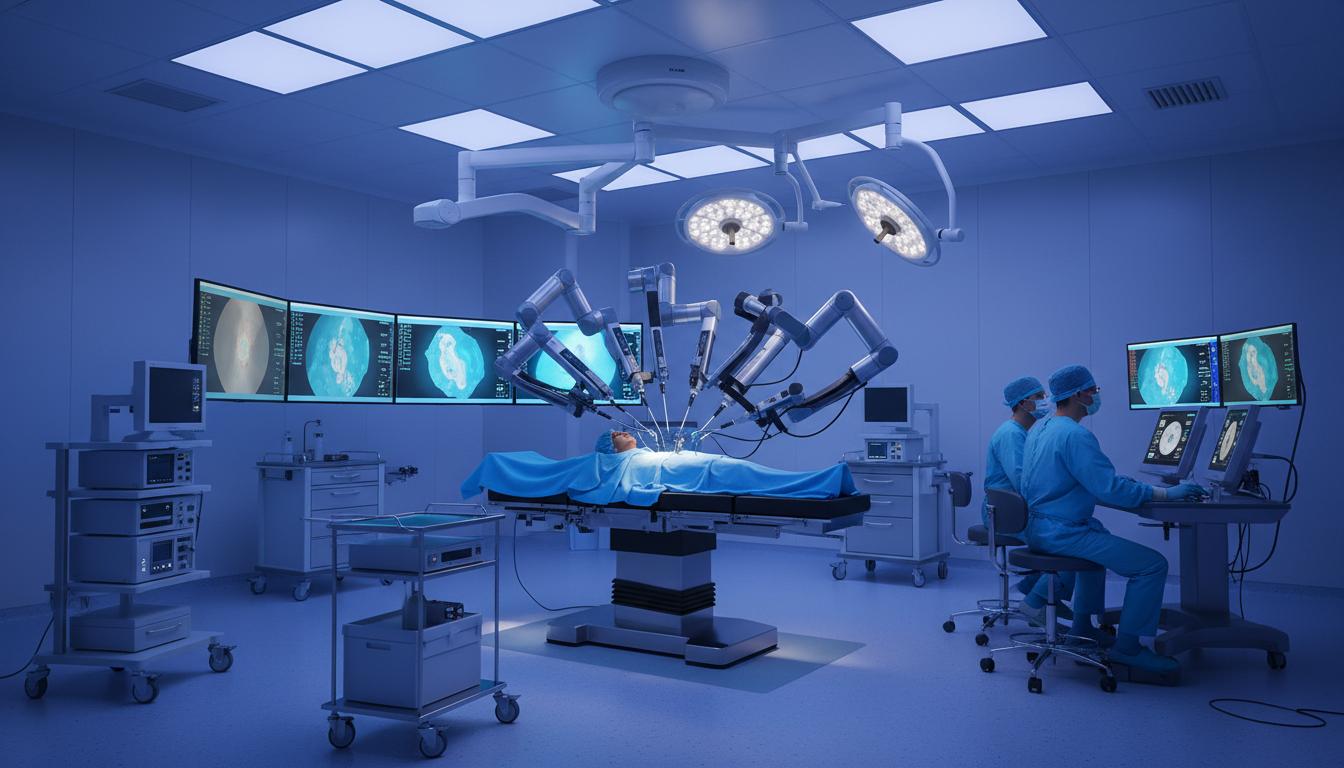
Complete laparoscopic removal through 3–4 tiny incisions — 1–2 day stay, 2-week recovery.
NDVH
Non-descent vaginal hysterectomy for suitable cases — no abdominal incision.
Post-Op Hormone Care
Hormone replacement guidance and follow-up for symptom management after hysterectomy.
Benefits at Chahal Hospital
No Visible Scars
TLH leaves only 3–4 tiny marks barely visible to the naked eye.
Less Blood Loss
HD magnification and bipolar energy allow bloodless dissection.
2-Week Recovery
Back to full activities in 2 weeks vs. 6–8 weeks with open abdominal hysterectomy.
Less Pain
Patients typically need only mild oral analgesics after TLH.
Expert Gynaecologist
Dr. Suneet Chahal has performed hundreds of TLH procedures with excellent outcomes.
Short Hospital Stay
Most patients are discharged within 24–48 hours of the procedure.
Your Specialist

Frequently Asked Questions
No. After total hysterectomy (removal of uterus and cervix), you will no longer have menstrual periods. If your ovaries are preserved, you will not enter surgical menopause.
No. Pregnancy is not possible after hysterectomy as the uterus is removed. This operation is recommended only when childbearing is complete.
Yes, in most cases. TLH offers less pain, fewer complications, much faster recovery, shorter hospital stay, and better cosmetic outcomes compared to open abdominal hysterectomy.
Most TLH procedures take 60–120 minutes depending on the size of the uterus and any additional pathology like endometriosis.
Yes, hysterectomy is covered by most health insurance policies in India. Our team assists with paperwork and cashless admission.
Ready to Get Treatment?
Consult our expert specialists for TLH – Total Laparoscopic Hysterectomy. Advanced, minimally invasive care with faster recovery and lasting results.