
Signs & Symptoms
Recognize the early signs that indicate you may need medical attention
Sudden Abdominal Pain
Intense, cramping pain in the upper right abdomen or centre of the belly, often coming in waves.
After-Meal Attacks
Gallstone pain typically begins 30–60 minutes after a fatty or greasy meal and may last several hours.
Fever & Chills
High fever with rigors indicates cholecystitis (gallbladder infection) — requires urgent treatment.
Jaundice
Yellowing of skin and whites of eyes when a stone blocks the common bile duct.
Nausea & Vomiting
Persistent nausea or vomiting accompanying the pain is a common gallstone symptom.
Dark Urine / Pale Stools
Cola-coloured urine and clay-coloured stools indicate bile duct obstruction — needs immediate attention.
Common Causes & Risk Factors
Excess Cholesterol in Bile
When bile contains more cholesterol than it can dissolve, the excess crystallises to form cholesterol stones — the most common type.
Obesity & High-Fat Diet
Being overweight increases cholesterol secretion into bile. Rapid weight loss can also trigger stone formation.
Female Gender & Hormones
Oestrogen increases cholesterol in bile and slows gallbladder emptying. Pregnancy and oral contraceptives raise risk further.
Diabetes & Metabolic Syndrome
People with diabetes tend to have higher levels of triglycerides, a risk factor for gallstone formation.
Family History
A first-degree relative with gallstones significantly increases your personal risk due to shared genetic and dietary factors.
Treatment Options
Advanced minimally invasive techniques for better outcomes and faster recovery
Diagnosis & Assessment
Ultrasound abdomen, LFTs, CBC, and MRCP (if needed) to confirm stone size, number, and any duct involvement.
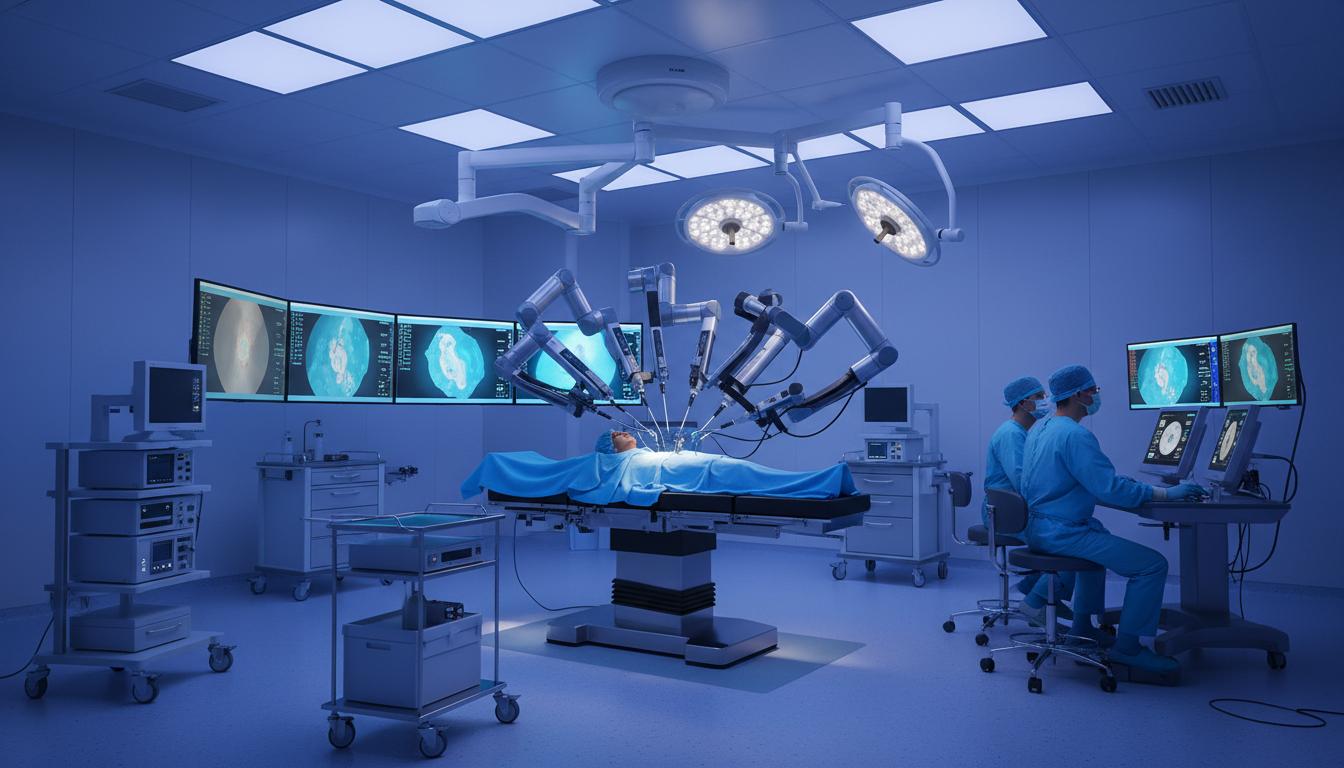
Laparoscopic Cholecystectomy
Keyhole removal of the gallbladder through 3–4 tiny incisions under general anaesthesia. Duration: 30–60 min.
Open Cholecystectomy
Traditional open surgery for complex cases: very large stones, previous surgeries, or uncontrolled bleeding.
Post-Op Recovery Care
Diet guidance, wound care, and a follow-up at 1 week. Most patients resume a normal diet within 2–3 weeks.
Benefits at Chahal Hospital
Minimal Scarring
3–4 tiny punctures that are barely visible — a world apart from the long scar of open surgery.
Same-Day Discharge
Most patients go home the same evening or the next morning after laparoscopic surgery.
Fast Return to Work
Light desk work in 5–7 days; full physical activity resumed in 3–4 weeks.
Less Pain
Keyhole approach means significantly less post-operative pain managed with simple oral analgesics.
Expert Laparoscopist
Dr. J.S. Chahal has performed over 3,000 laparoscopic cholecystectomies with an excellent safety record.
Affordable & Insured
Transparent all-inclusive pricing with full support for Ayushman Bharat, PMJAY, and private insurance claims.
Your Specialist

Dr. J.S. Chahal
Senior Consultant – General & Laparoscopic Surgery
MBBS, MS (General Surgery), FALS
Book AppointmentFrequently Asked Questions
Yes. The gallbladder stores bile but is not essential. After removal, bile drains directly from the liver into the small intestine. Most people have no dietary restrictions after a short adjustment period.
The procedure typically takes 30–60 minutes under general anaesthesia. You are usually in the recovery room within 2 hours of entering the operating theatre.
No. Because the entire gallbladder is removed (not just the stones), there is no possibility of recurrence in the gallbladder. Rarely, a stone may form in the bile duct, but this is uncommon.
Yes, with proper pre-operative optimisation of blood sugar levels. Dr. Chahal routinely performs laparoscopic cholecystectomy in diabetic patients with excellent outcomes.
A low-fat diet for the first 2–3 weeks is recommended, then you can gradually return to a normal diet. Avoiding very fatty foods in the early weeks prevents temporary loose motions.
Ready to Get Treatment?
Consult our expert specialists for Gall Stones Treatment. Advanced, minimally invasive care with faster recovery and lasting results.